Last updated: March 2026
RV Roof Repair Services in Vero Beach
Your RV's roof takes more abuse than any other part of the rig. Think about it - direct sunlight 10+ hours a day, pounding rain during summer storms, and the occasional hurricane-force wind event. Here in Indian River County, the UV index regularly hits 10-11 during summer months. That kind of exposure degrades sealant, cracks rubber membranes, and opens up gaps around every vent, antenna, and AC unit on your roof. We see the damage every single week, and we fix it before it turns into a $5,000 water damage problem inside your walls.
We repair and reseal every type of RV roof in Vero Beach. Sealant touch-ups start at $125, patch repairs at $200, vent replacements at $150, and full recoats from $800. We use Dicor, EternaBond, and Henry products. Mobile service to your location. Call 772-218-5861.
Leak Detection
Water stains on your ceiling? Don't guess where the leak is. We do a full visual and pressure inspection of every seam, vent boot, AC gasket, and antenna base on your roof. Water can travel 3-4 feet along a seam before dripping down, so the stain on your ceiling is almost never directly below the actual entry point.
EPDM & TPO Membrane Repair
EPDM rubber roofs and TPO membranes are the most common RV roof types we see. Cracks, tears, and lifted seams are all fixable without replacing the whole membrane. We clean the area, apply primer, and patch with matched material. Most repairs run $200-450 and hold up for years when done right.
Sealant Application
Every seam, screw hole, and roof penetration on your RV is sealed with Dicor lap sealant or similar product. In Florida's heat, that sealant breaks down faster than anywhere else in the country. We strip old, cracked sealant and apply fresh product. Touch-ups run $125-250 depending on how many joints need attention.
Vent & Skylight Replacement
Cracked vent covers and foggy skylights are common after a few years in the Florida sun. UV radiation makes the plastic brittle, and one good hailstorm or flying branch can finish the job. We replace Ventline, Fan-Tastic, MaxxAir, and generic vents. Most swaps run $150-350 including the new unit and fresh sealant around the flange.
Full Roof Recoating
If your roof is chalky, showing widespread cracking, or has been patched in multiple spots, a full recoat is the smartest move. We clean the entire surface, repair any soft spots, and apply an elastomeric coating like Henry Tropi-Cool that reflects UV and seals everything at once. Full recoats run $800-2,500 depending on rig size.
Fiberglass & Gelcoat Repair
Class A and some Class C motorhomes have fiberglass roofs with gelcoat finishes. These crack and oxidize over time, especially in our Florida climate. We sand, fill, and recoat damaged areas with color-matched gelcoat and UV-resistant topcoat. It restores the waterproof barrier and brings back the original appearance.
Why Florida Is So Hard on RV Roofs
UV Damage Is Constant
Vero Beach gets roughly 2,900 hours of direct sunlight per year. That's an incredible amount of UV exposure beating down on your roof membrane and sealant every single day. EPDM rubber actually does okay with UV if you keep it clean and treated, but the sealant around penetrations is a different story. Dicor lap sealant has a lifespan of 2-3 years in Florida, compared to 4-5 years up north. If you haven't checked your sealant this year, it's probably time.
Hurricane Season and Tropical Storms
From June through November, the Treasure Coast is in the storm zone. Even tropical storms that don't make direct landfall can throw 60+ mph winds and dump 4-6 inches of rain in a few hours. That's exactly the kind of event that exploits every weak seam and cracked vent cover on your roof. We get a wave of calls after every storm. The smart move is getting your roof inspected before hurricane season starts. A $200 sealant job beats a $3,000 water damage repair every time.
Standing Water After Heavy Rain
Most RV roofs aren't perfectly flat. They have slight low spots that can hold puddles after a Florida downpour. That standing water sits on your sealant and membrane for hours, and over time it finds its way through any weak point. We check for ponding areas during every roof inspection and can recommend solutions like adding sealant dams or improving drainage around AC unit bases.
Mold and Mildew Growth
Florida's humidity means your roof stays damp longer after rain. That creates perfect conditions for mold and mildew growth on EPDM membranes. Left alone, mold can actually eat into the rubber and weaken it. We clean and treat the surface during every repair visit. If your roof looks dark and stained, it's not just dirt. It's likely mold that needs proper treatment before you seal over it. Roof issues can also lead to moisture getting into your AC and HVAC system, creating even bigger problems.

Our Roof Repair Process
Roof Inspection
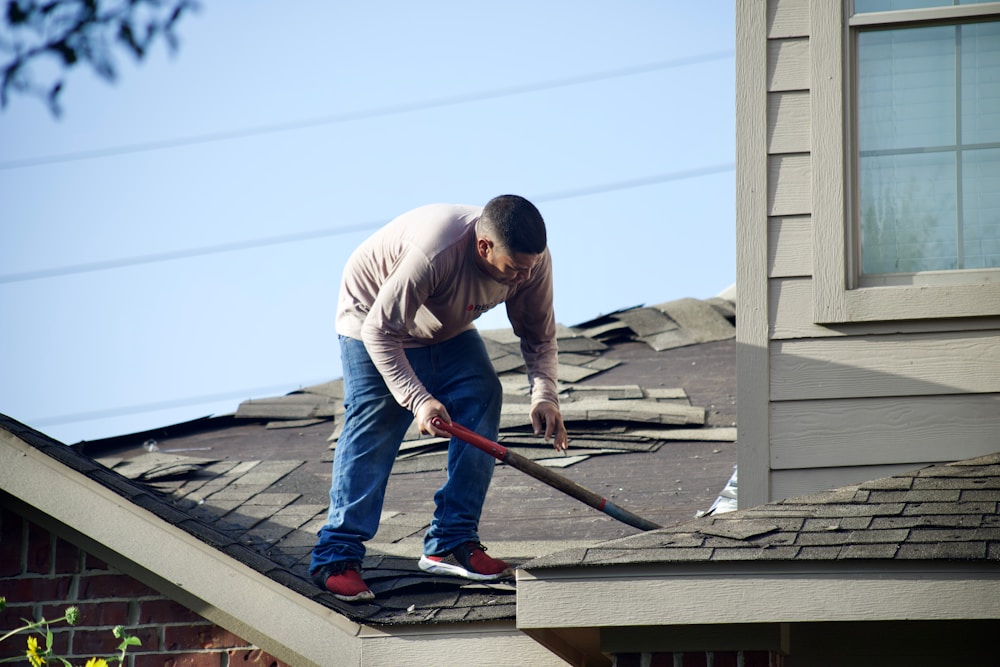
We climb up and walk every inch of your roof. We check every seam, vent boot, AC gasket, antenna mount, and skylight seal. We probe for soft spots that indicate hidden water damage. You get a full report of what we find, with photos if you want them.
Clear Quote, No Guessing
We tell you exactly what needs fixing and what it'll cost. If it's a simple sealant touch-up, we say so. If you need a full recoat, we explain why. We don't upsell work you don't need. Most RV owners just need sealant maintenance, not a whole new roof.
Repair and Seal
We do the work on-site wherever your RV is parked. All repairs are done with proper products - Dicor sealant, EternaBond tape for patches, Henry coating for recoats. After finishing, we water-test the repair area to confirm it's sealed. You don't pay until you're satisfied the leak is gone.