Your RV roof takes more punishment than any other part of the vehicle. Rain, hail, UV radiation, salt air, fallen branches, bird droppings, and hurricane-force winds all land on that relatively thin membrane sitting on top of everything you own. And if you're keeping your RV anywhere in Indian River County, the Florida climate accelerates every bit of that wear.
We've fixed hundreds of RV roofs in the Vero Beach area, and the one thing we see over and over again is damage that started small. A tiny sealant crack around an AC unit. A barely visible tear near a vent. Something that could've been patched in 10 minutes with a tube of sealant turns into a $3,000 water damage repair because nobody caught it in time.
This checklist is designed to help you catch those problems early. It's organized by season because different times of year bring different threats in our part of Florida.
Before You Start: Safety and Preparation
Before climbing up on your RV roof, keep a few things in mind:
- Check your roof's weight rating. Most RV roofs can handle an adult walking on them, but always step on the structural rafters (you can usually feel or see where they are) rather than unsupported areas between them.
- Use a sturdy ladder. A standard household step ladder isn't enough. Use a proper extension ladder rated for your weight plus the tools you're carrying.
- Pick the right weather. Don't inspect your roof in the rain, during high winds, or when the surface is wet. Early morning is ideal in Florida because the roof won't be scorching hot.
- Wear soft-soled shoes. Boots and hard shoes can damage certain roof membranes, especially rubber EPDM roofs.
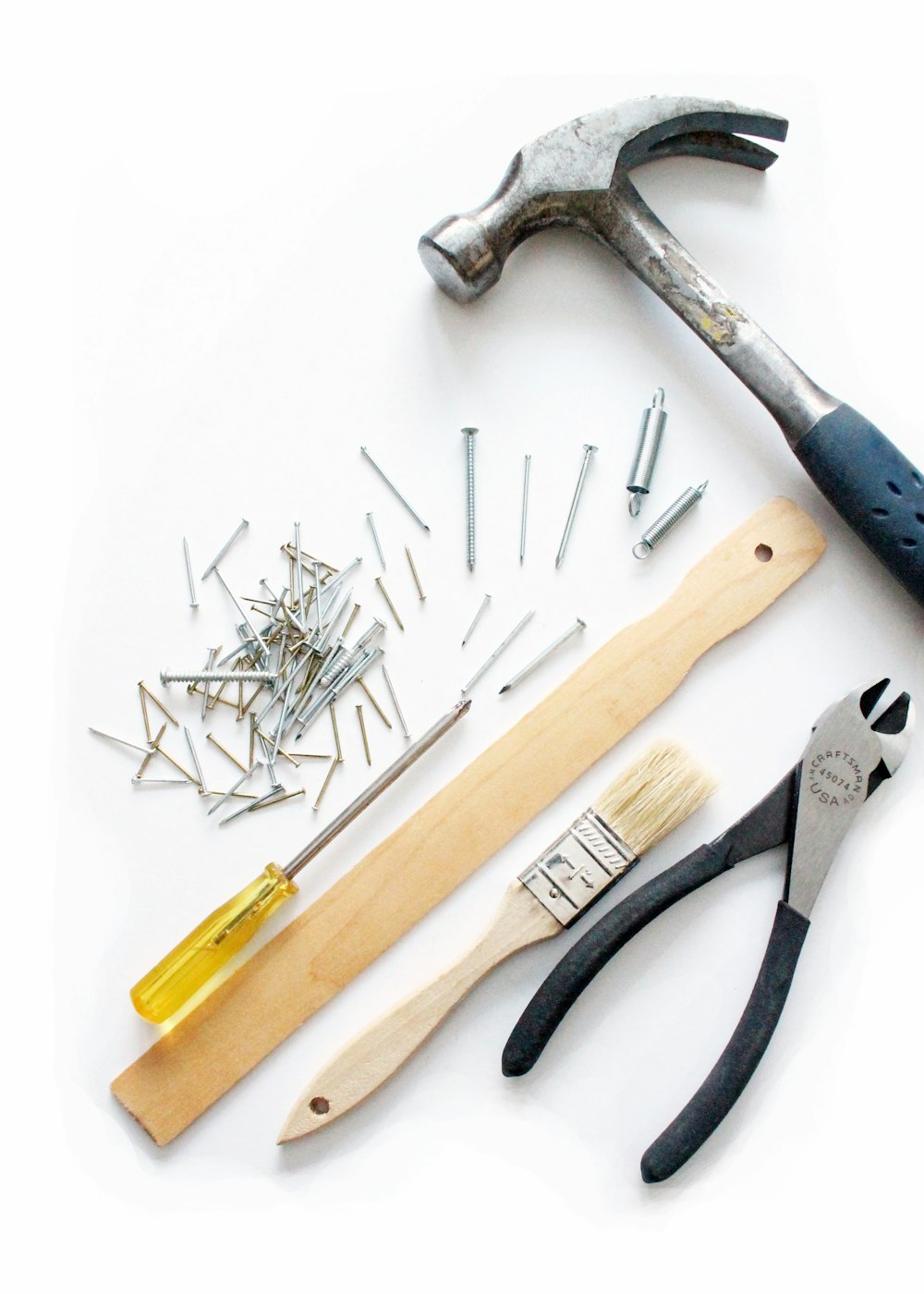
- Bring the right tools. You'll want a soft brush, garden hose, flashlight, sealant (matched to your roof type), putty knife, and your phone for taking photos of anything questionable.
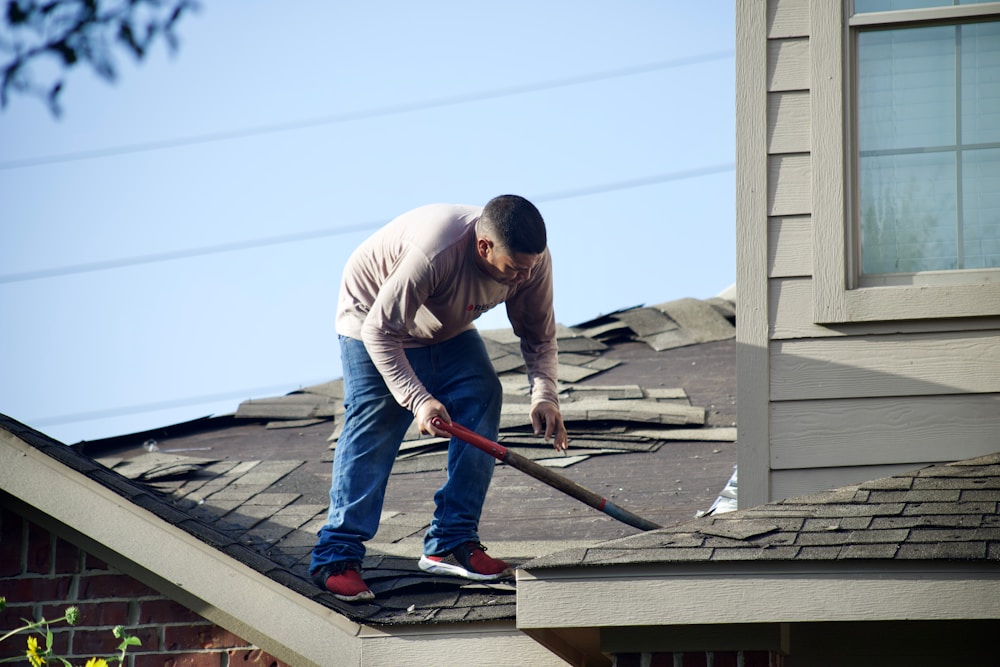
Spring Inspection (March to May)
Spring is your fresh-start inspection. Winter in Indian River County is mild, but the cool season still brings occasional frost, heavy dew, and the tail end of dry season that bakes sealants brittle.
Spring Checklist
- Clean the entire roof surface with a mild soap and soft brush
- Inspect all sealant around the AC unit, vents, antennas, and skylights
- Check for cracks, gaps, or lifting in lap sealant along seams
- Look for discoloration or chalking on the roof membrane
- Test for soft spots by pressing firmly with your foot across the entire surface
- Clear debris from gutters and drip rails
- Apply UV protectant coating if using an EPDM or TPO roof
- Check caulking around all roof penetrations and slideout toppers
Pay close attention to the sealant around your rooftop AC unit. The weight of the AC combined with road vibration means this is usually the first spot where sealant fails. If you see any separation between the sealant and the AC mount, clean the area, let it dry, and apply fresh sealant.
Hurricane Season Prep (June)
Hurricane season officially runs June 1 through November 30. The week before June 1 is when you should be doing your most thorough roof inspection of the year.
Pre-Hurricane Season Checklist
- Reseal any cracked or deteriorated sealant joints you find
- Tighten all roof-mounted hardware (antenna brackets, solar panel mounts, AC bolts)
- Inspect and clean all roof drains, scuppers, and gutters
- Check the condition of rubber seals on all roof vents
- Examine slideout toppers for tears, fraying, or loose screws
- Make sure your roof vent covers are secure and the hinges work properly
- Document the current condition with photos for insurance purposes
- Verify that interior ceiling areas below each roof penetration show no water stains
Indian River County sits in a zone that gets hit by tropical storms and hurricanes more frequently than most people realize. Even a Category 1 storm brings 74+ mph winds and torrential rain that will exploit every weakness in your roof. The 30 minutes you spend sealing and tightening before storm season could save you thousands after a storm.
Storm tip: If a hurricane is approaching and your RV is parked at your home or a storage facility, consider covering the AC unit and all vents with heavy-duty tarps secured with ratchet straps. Flying debris is a major cause of roof damage during storms.
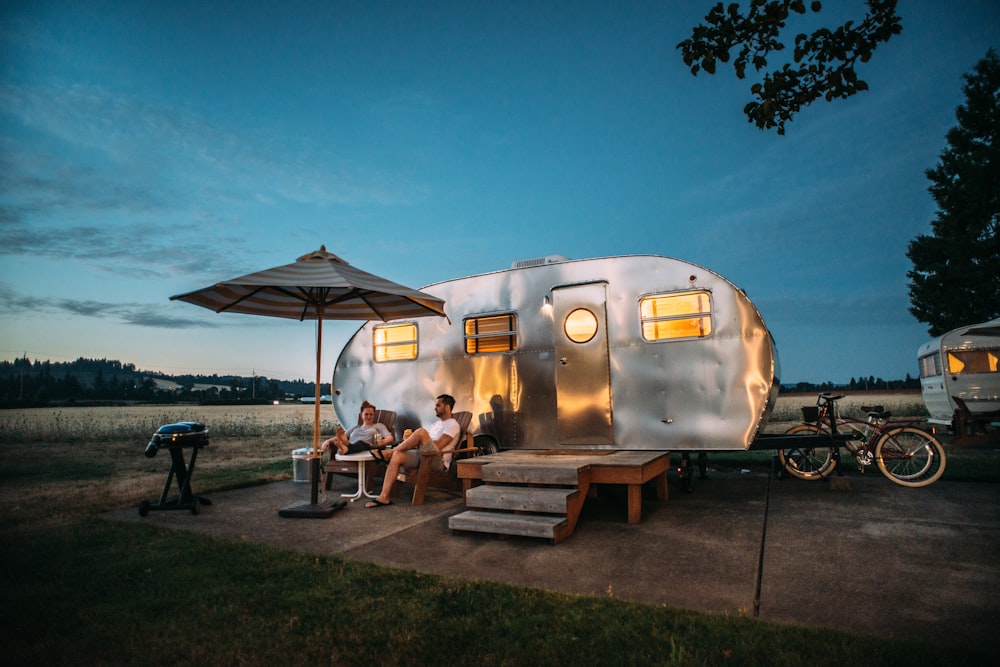
Fall Inspection (October to November)
By fall, your RV roof has endured five months of the most intense UV radiation anywhere in the continental US, daily afternoon thunderstorms, and potentially one or more tropical weather events. It's time for a detailed look.
Fall Checklist
- Wash the roof thoroughly to remove algae, mildew, and organic growth
- Inspect the membrane for bubbling, blistering, or peeling
- Check all sealant joints again, especially around the AC and vents
- Look for standing water areas that indicate low spots or drainage problems
- Inspect rubber roof for signs of UV degradation (chalking, cracking, hardening)
- Examine any areas where tree branches may have scraped or punctured the surface
- Reapply UV protectant if you did so in the spring
- Check from inside the RV for any new water stains on ceilings and walls
Algae and mildew growth is particularly aggressive in our climate. If you see black or green streaking on your roof, clean it promptly. These organisms hold moisture against the roof surface and can accelerate membrane degradation. Use a cleaner recommended for your specific roof type. Bleach-based cleaners work well on fiberglass roofs but can damage rubber membranes.
Winter Inspection (December to February)
Florida winters are mild compared to the rest of the country, but we do get occasional cold snaps that can drop below freezing. More importantly, winter is the dry season in Indian River County, which means lower humidity and more consistent UV exposure.
Winter Checklist
- Quick visual scan of all sealant and membrane surfaces
- Clear any accumulated leaves, pine needles, or debris
- Check that all roof vents open and close properly
- Inspect rubber seals on vent covers and skylights
- Look for any new cracks in dried-out sealant (dry season accelerates this)
- Verify roof-mounted solar panels are secure and connection points are sealed
The dry season from November through April is actually when sealant dries out and cracks the fastest. Without regular rain to keep humidity up, that sealant bakes in the sun and becomes brittle. A winter check catches problems before spring rains start pushing water through those tiny cracks.
Understanding Your Roof Type
The inspection process is mostly the same regardless of roof type, but there are some specific things to watch for depending on your material:
EPDM Rubber Roofs
Most common on travel trailers and fifth wheels. EPDM rubber is durable but degrades in UV light over time. Look for chalking (white powdery residue), shrinkage that pulls seams apart, and areas where the rubber has become stiff and brittle. UV protectant coatings every six months are critical in Florida.
TPO Roofs
Found on many newer RVs. TPO is more UV-resistant than EPDM but can still develop seam failures and punctures. Check heat-welded seams for lifting or separation. TPO is lighter in color, which helps with heat rejection but also shows dirt and algae more readily.
Fiberglass Roofs
Common on Class A motorhomes and some higher-end fifth wheels. Fiberglass is the most durable roof material but can develop gel coat cracks, oxidation, and delamination. Waxing your fiberglass roof annually helps protect the gel coat from UV damage.
Aluminum Roofs
Found on older RVs and some Airstreams. Aluminum doesn't degrade from UV, but it can develop leaks at seams and around rivets. Corrosion is also a concern, especially in coastal areas like Indian River County where salt air is a constant factor.
When to Call a Professional
You can handle most routine inspection and minor sealant work yourself. But certain problems need professional attention:
- Soft spots on the roof. This indicates the plywood decking underneath has absorbed water and is rotting. It needs to be cut out and replaced before the damage spreads.
- Large tears or punctures in the membrane. Small patches work for small holes, but anything bigger than a few inches needs a professional repair to ensure a waterproof seal.
- Widespread sealant failure. If the sealant is cracked and pulling away everywhere, a complete reseal is more effective and reliable than spot repairs.
- Visible sagging from inside the RV. Ceiling sag means water has been getting in for a while. The structural damage underneath needs assessment before just patching the roof.
- Membrane bubbling or delamination. This means adhesive is failing between layers and usually requires section replacement.
Last updated: March 2026